
Choosing between Full Truckload (FTL) and Less Than Truckload (LTL) shipping is one of the most important decisions in freight logistics.
Each option offers distinct advantages, and selecting the right one can significantly impact your delivery times, costs, and operational efficiency.
Many businesses aren’t fully aware of the differences or how to evaluate which service best fits their needs.
MM-Sped Kft. offers both FTL and LTL solutions across Europe, and our expertise helps clients make informed decisions that optimize their supply chains.
In this article, we break down the key differences and help you determine which option is right for your business.
The best logistics solution isn’t the cheapest or the fastest – it’s the one that perfectly matches your specific business needs.
Full Truckload (FTL) shipping means your cargo occupies an entire truck, traveling directly from origin to destination without stops or transfers.
This option is ideal when you have enough freight to fill a truck (typically 10+ pallets or 15,000+ pounds), need faster transit times, or ship fragile goods that benefit from minimal handling.
FTL offers several advantages: faster delivery since there are no intermediate stops, reduced risk of damage because cargo isn’t loaded and unloaded multiple times, and greater flexibility in scheduling pickups and deliveries.
MM-Sped Kft.’s modern fleet is equipped to handle FTL shipments of various sizes and types, ensuring your goods travel safely and directly to their destination.
For businesses with regular large-volume shipments or time-sensitive deliveries across European borders, FTL provides the reliability and speed needed to maintain smooth operations while navigating cross-border challenges efficiently.
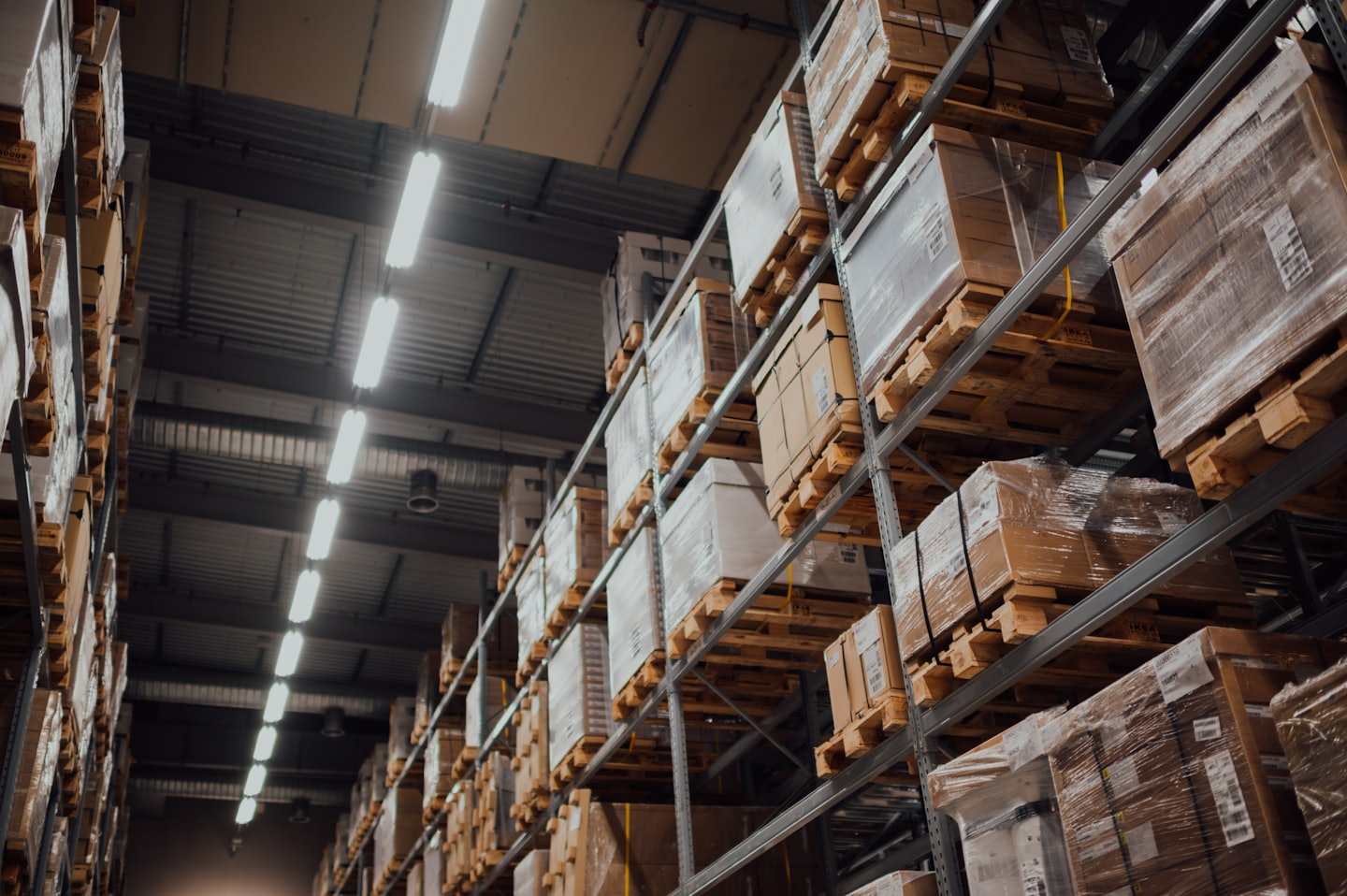
Less Than Truckload (LTL) shipping consolidates multiple shippers’ freight into a single truck, making it cost-effective for smaller shipments that don’t require full truck capacity.
LTL is the smart choice when you’re shipping fewer than 10 pallets, want to minimize costs, or don’t have urgent delivery requirements. While LTL may involve slightly longer transit times due to consolidation and multiple stops, the cost savings can be substantial – you only pay for the truck space you use rather than the entire vehicle.
MM-Sped Kft. excels at optimizing LTL routes through innovative logistics approaches, ensuring your smaller shipments benefit from professional handling, tracking, and competitive pricing.
Our extensive European network allows us to efficiently consolidate freight while maintaining service quality. The key is understanding your shipping patterns: if you regularly send smaller shipments to similar destinations, LTL offers excellent value; if you have large, regular volumes or time-critical cargo, FTL is typically the better investment.
Wrapping Up with Key Insights
Choosing between FTL and LTL doesn’t have to be complicated when you have an experienced partner like MM-Sped Kft. guiding your decision.
We evaluate your specific requirements – shipment size, frequency, timeline, budget, and cargo characteristics – to recommend the most appropriate solution.
Many of our clients use a combination of both services, selecting FTL for large or urgent shipments and LTL for smaller, less time-sensitive freight.
This flexible approach maximizes efficiency and cost-effectiveness across your entire logistics operation. Ready to optimize your freight strategy?
Discover how MM-Sped Kft. serves as your partner for international deliveries and explore all the benefits of our tailored logistics solutions.
Contact us today for a consultation and let us help you choose the right shipping solution for your business needs
Leave a Reply